
A R C H I T E C T U R E of R E S O N A N C E
ARCHITECTURE X MUSIC X DEPTH PSYCHOLOGY
KENGO KUMA X BOHDAN TUROK
“I found it very impressive and moving. I never expected to hear such sounds in architecture I designed.”
「深く感銘を受け、心を揺さぶられました。自らが手がけた建築の中で、これほどまでの響きに出会えるとは、想像だにしていませんでした。」
— Kengo Kuma, Architect
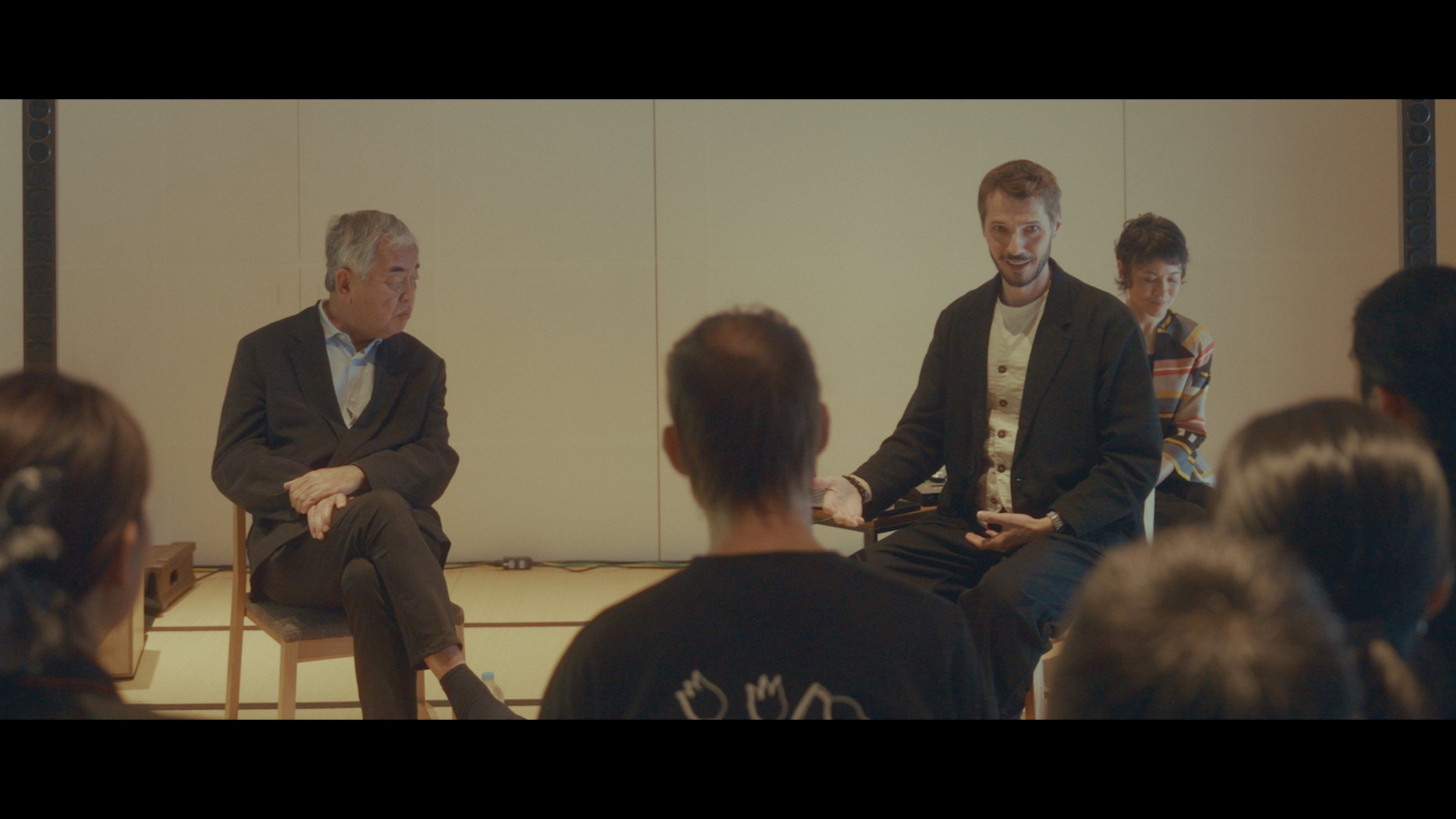
Kengo Kuma & Bohdan Turok (Zuisho Ji Temple, Tokyo, 2026.03.31)
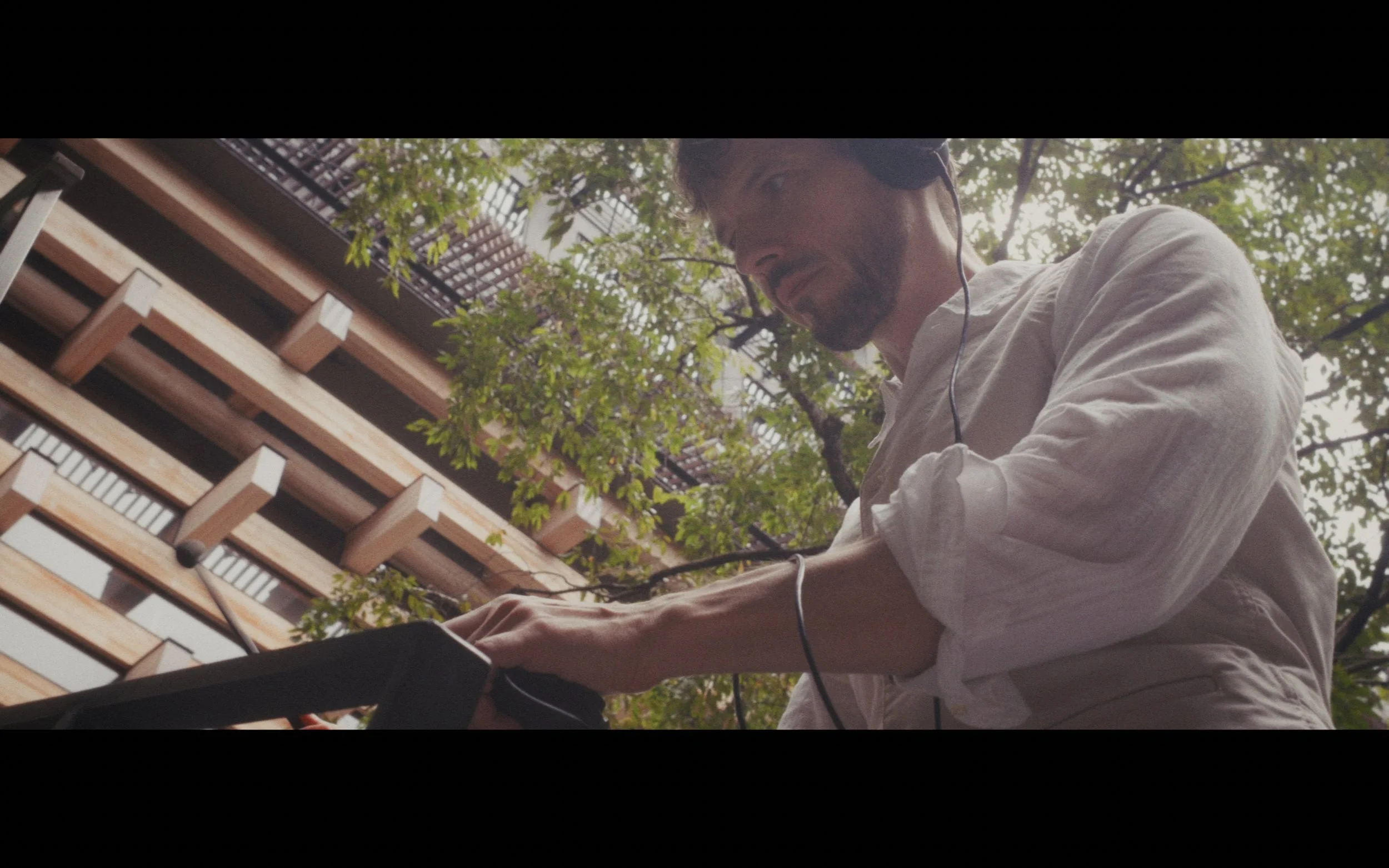
What if an instrument is not defined by its function, but by our relationship with it?
In Kengo Kuma's architecture, I do not see static containers of space. I see “Psychic Containers and Transformational Objects" (Bollas, 1989) composed of wood, stone, paper, air, and light. These materials do not wait to be played; they wait to be encountered.
楽器とは、その機能によって定義されるのではなく、私たちとの「関係性」によって決まるものだとしたらどうでしょうか。
隈研吾の建築において、私は単なる静止した空間の器(うつわ)を見ているのではありません。そこに広がるのは、木、石、空気、そして光で構成された「心理的コンテナ(Psychic Container)」であり、「変容的対象(Transformational Object)」(ボラス、1989)なのです。これらの素材は奏でられるのを待っているのではなく、私たちとの「邂逅(かいこう)」を待っているのです。
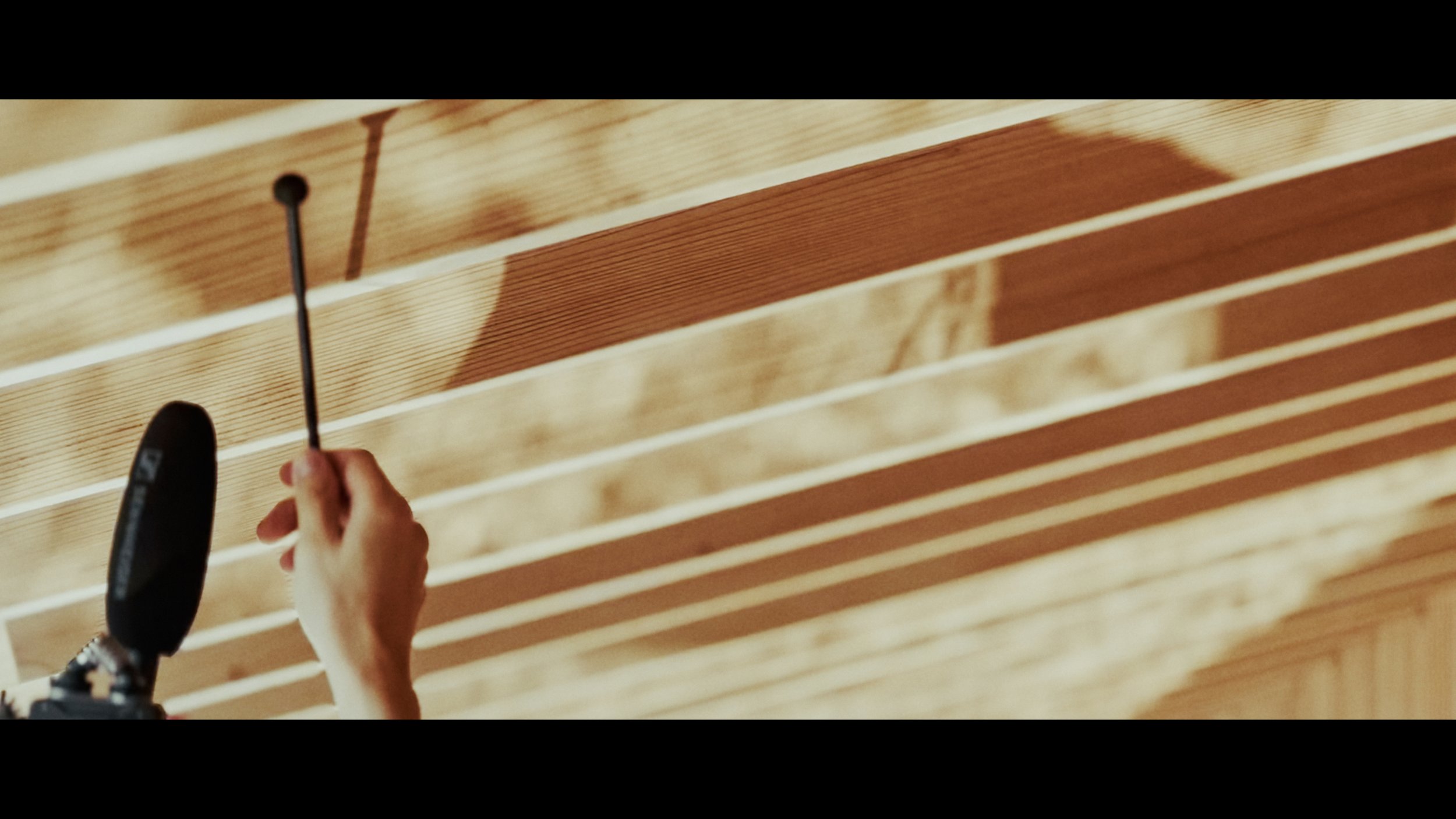
Here, the building is not the backdrop; it is the resonant partner. Normally, we treat architecture as an object, a container to move through. But when we shift from observation to encounter, the building begins to respond.
ここでは、建築は単なる背景ではありません。それは共に響き合う「共鳴するパートナー」なのです。
通常、私たちは建築を一つの「物体」として、あるいは通り過ぎるための「器(うつわ)」として扱います。しかし、私たちが単なる「観察」から「邂逅(かいこう)」へと意識を移したとき、建物は応え始めるのです。
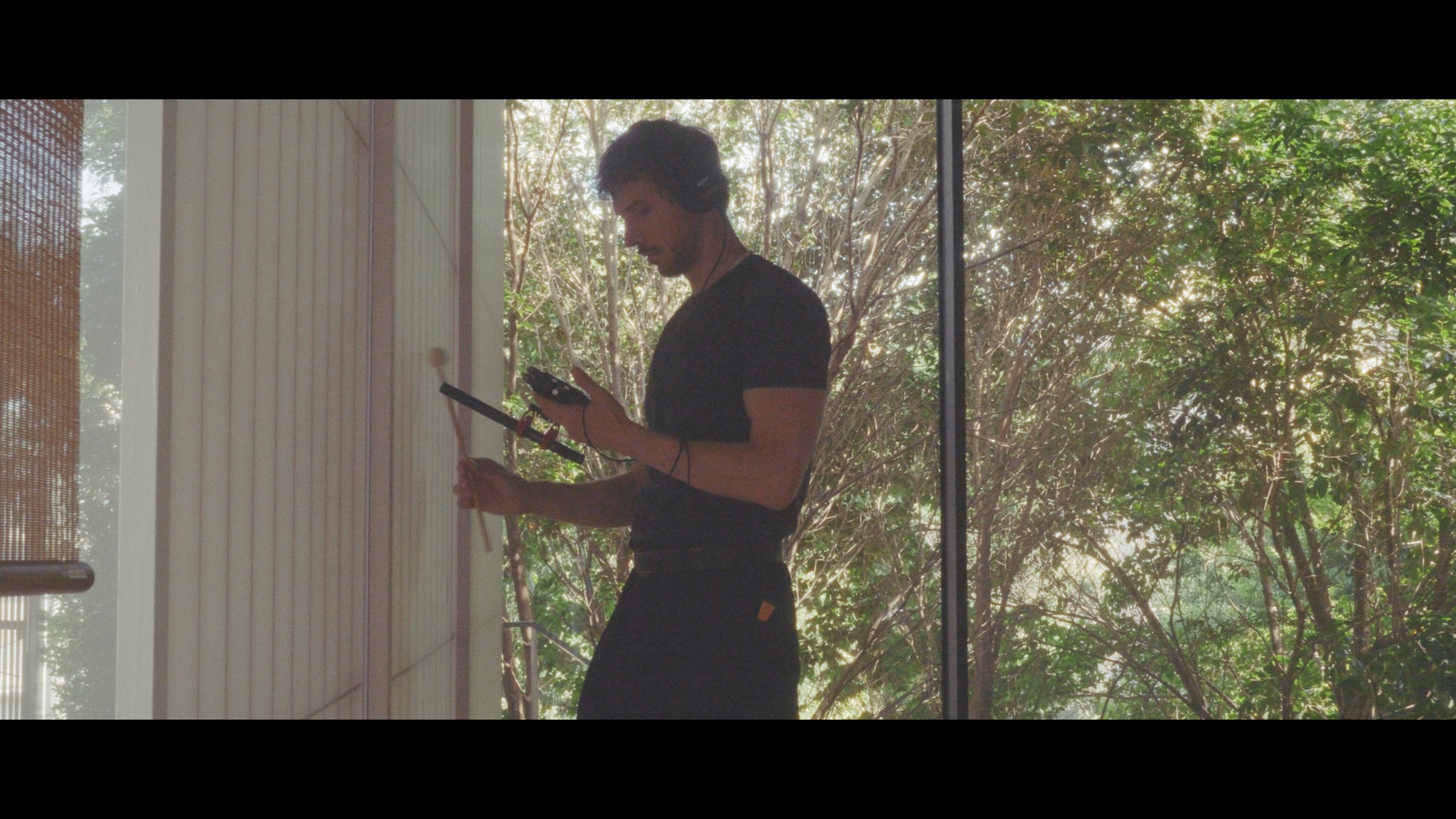
Unlike the silence of concrete, these materials possess a "breath" and a soul.
コンクリートの静寂とは異なり、これらの素材には「呼吸」と「魂」が宿っています。
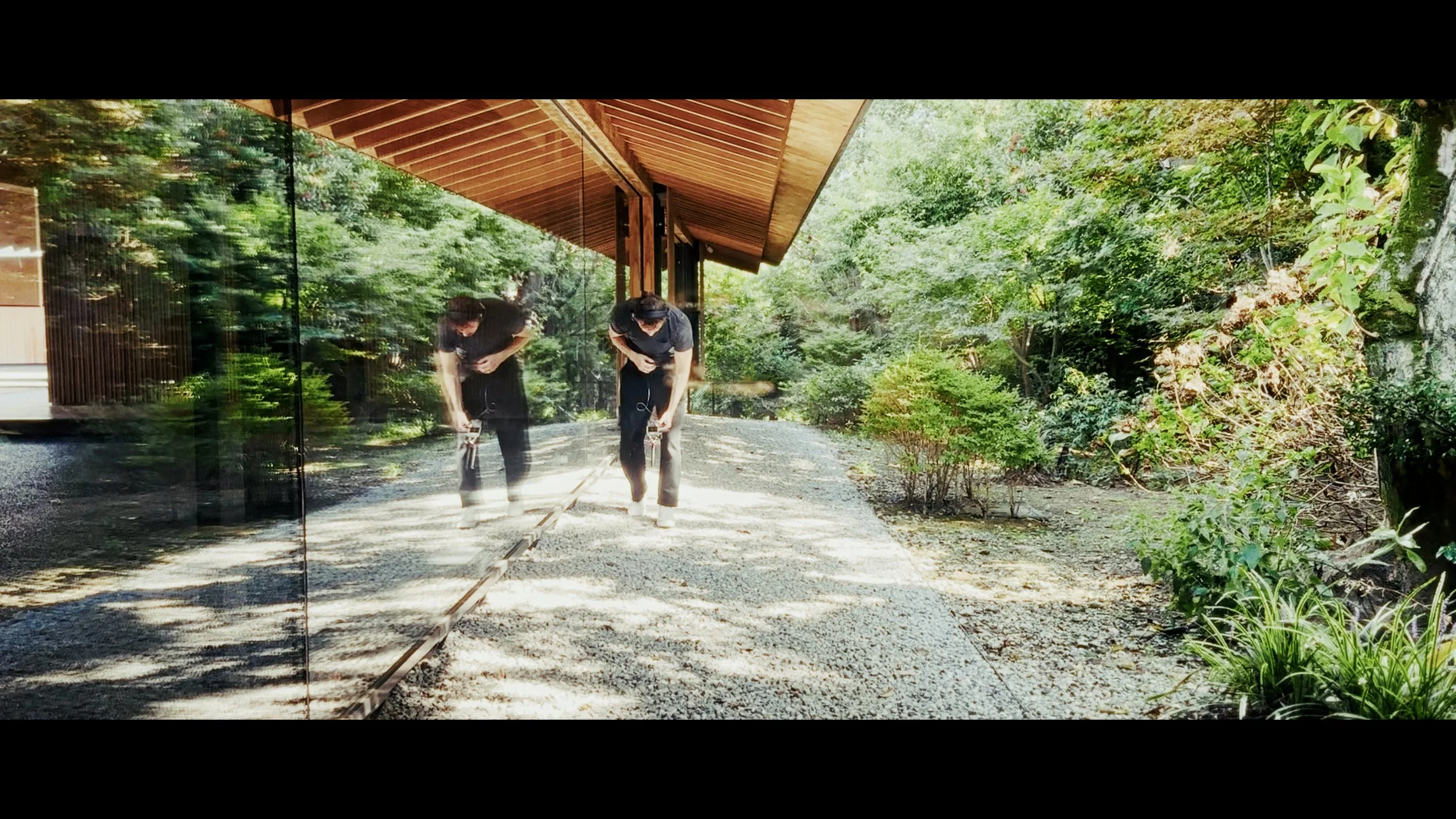
The moment an "Object" (It) becomes a "Partner" (Thou) (Buber, 1923), we change its ontology. The wood, stone, water, and air are no longer barriers; they are resonators.
「対象(それ)」が「パートナー(汝)」へと変わる瞬間(ブーバー、1923年)、その存在のあり方(存在論)は変容します。木、石、水、そして空気は、もはや隔たりとしての「障壁」ではなく、共に響き合う「共鳴体」となるのです。
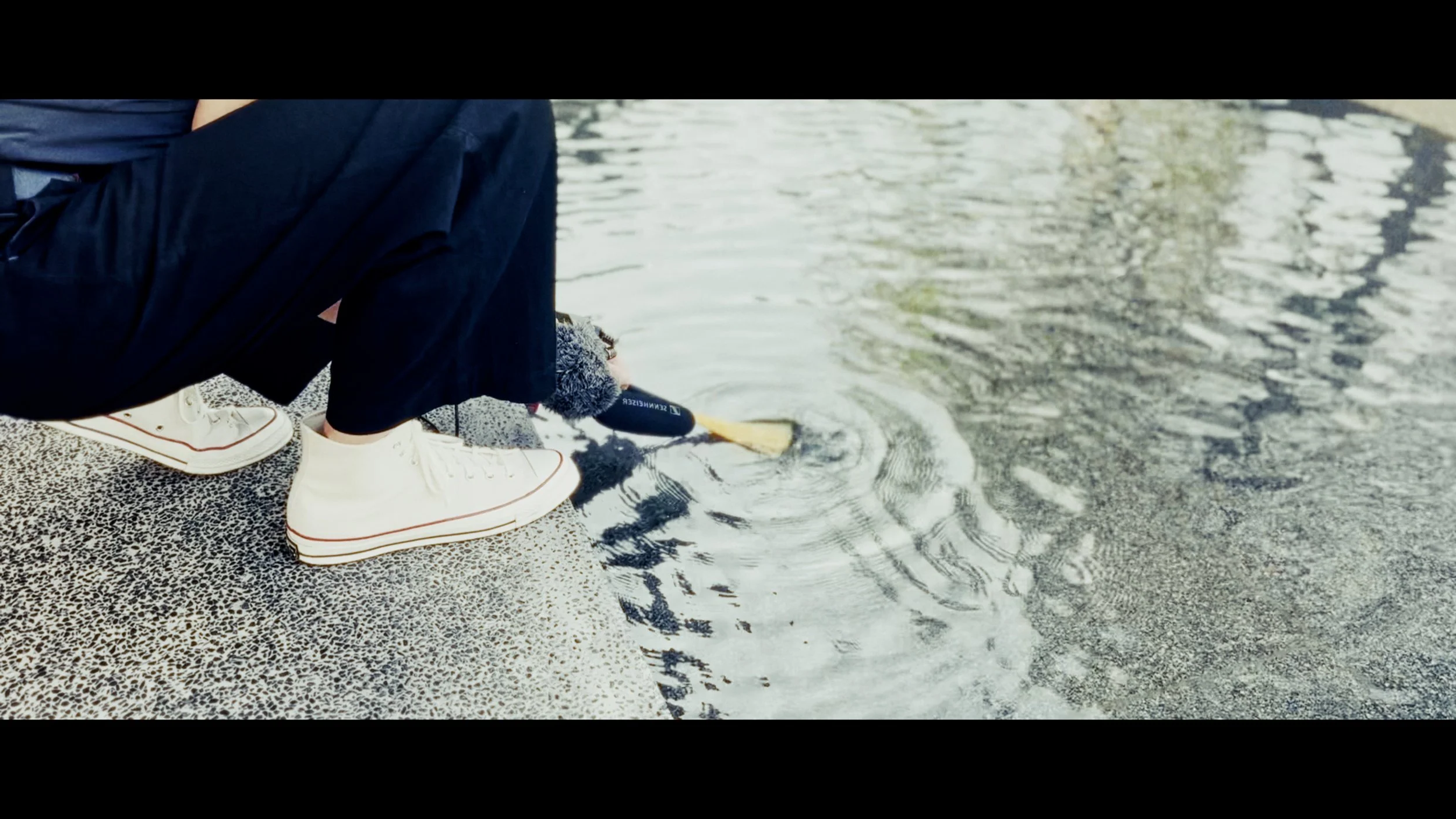
A building becomes an instrument the moment we stop treating it as an object and begin relating to it.
建物が「楽器」へと変わる瞬間——それは、私たちがそれを単なる「物体」として扱うのをやめ、一つの「関係性」を築き始めたときに訪れます。
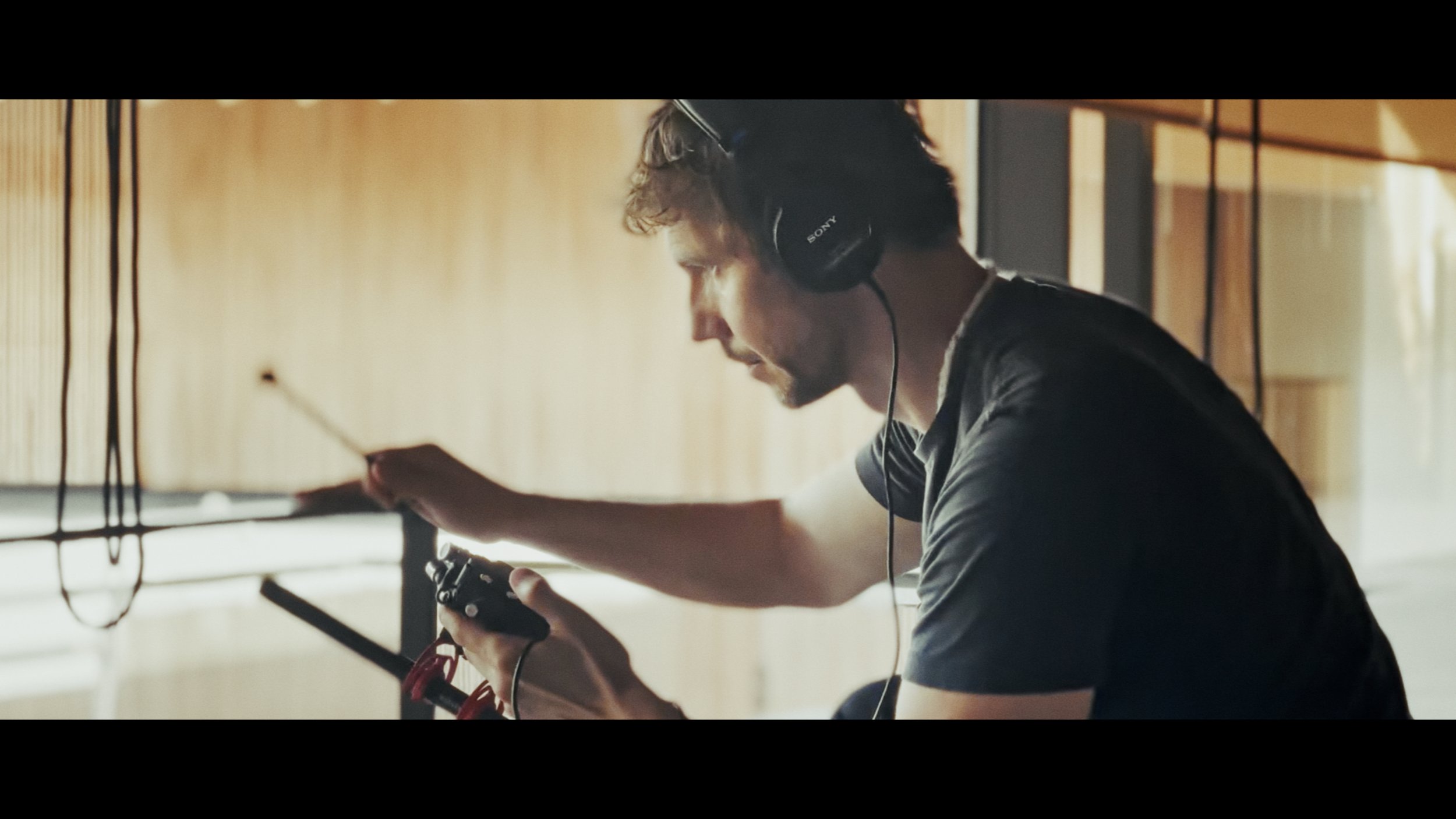
By being here on 2026.03.31, you are no longer just a visitor. You are part of the resonance.
2026年3月31日、この場所に立つとき、あなたはもはや単なる「訪問者」ではありません。あなた自身がこの「共鳴」の一部なのです。


In partnership with Kengo Kuma and Associates & Taguchi speakers.